Why Choose an Aviation Career
Aviation blends rigorous safety standards with cutting-edge technology, global teamwork, and lifelong learning. Whether you dream of the cockpit or love problem-solving on the hangar floor, the field offers clear pathways, recognized licenses, and international mobility.
- Global demand: pilots, aircraft maintenance technicians, avionics specialists, and safety professionals remain in demand as fleets grow and modernize.
- Innovation: from electric propulsion and advanced composites to autonomous systems and UAS/drone operations.
- Transferable skills: decision-making, teamwork, systems thinking, and technical literacy.
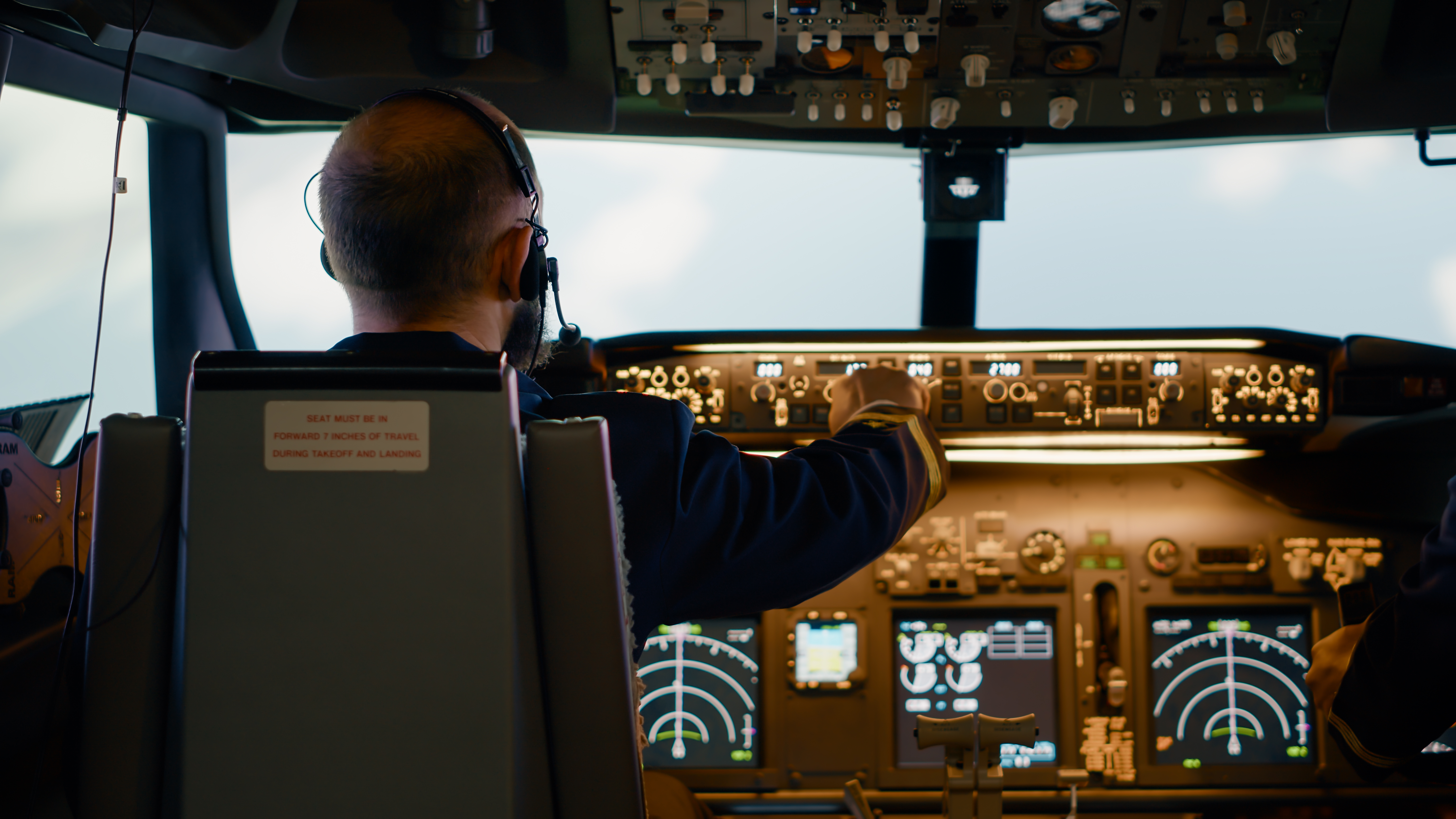
Aviation Career Map
Below is a quick look at core roles, what they do, and the typical education or licensing path.
| Career | What You’ll Do | Education & Licenses | Notes |
|---|---|---|---|
| Airline/Commercial Pilot | Operate aircraft safely, manage flight plans, weather, crew coordination. | PPL → CPL/IR → ATPL (frozen > unfrozen); medical certificate; simulator training; hours building. | Ongoing proficiency checks; strong math, English, situational awareness. |
| Aircraft Maintenance Technician (AMT/A&P) | Inspect, repair, and service airframes, powerplants, and systems. | Part-147 or equivalent school (e.g., aviation institute of maintenance); A&P certification or EASA B1/B2. | Hands-on, safety-critical, highly transferable internationally. |
| Avionics Technician | Install and troubleshoot navigation, communication, and flight-control electronics. | Avionics diploma/degree; EASA/FAA approvals where applicable. | Key role as aircraft become more digital-centric. |
| Aerospace/Aeronautical Engineer | Design structures, propulsion, aerodynamics, software, and materials. | Bachelor’s/Master’s in aerospace or mechanical engineering. | Research, certification, and industry R&D roles. |
| Air Traffic Controller (ATC) | Maintain safe aircraft separation and efficient traffic flow. | National ATC academy/pathway; medical/psychometric assessments. | High responsibility; excellent focus and communication required. |
| Safety & Compliance | Manage safety management systems (SMS), audits, and risk. | Degrees/certificates in aviation safety; ICAO/IOSA familiarity. | Cross-functional skills valued by airlines and airports. |
| Aviation Management | Run airport/airline operations, logistics, finance, and planning. | BA/BS or MBA in aviation management or business + industry internships. | Great for leadership-minded applicants. |
Where to Study: Institutes & Universities
You can follow two broad pathways: technical/professional training at an aviation institute (ideal for maintenance and avionics roles, and sometimes pilot foundation training), or a university degree (ideal for pilots, engineers, management, and research).
Leading Aviation-Focused Options (Examples)
| School/Institute | Country/Region | Known For | Typical Entry Snapshot |
|---|---|---|---|
| Embry-Riddle Aeronautical University (ERAU) | USA | Pilot training, aviation/aerospace degrees, strong industry links. | Academic transcripts, English proficiency, personal statement; competitive. |
| Purdue University — Aviation | USA | Professional flight, aviation management, engineering ties. | Solid math/science record; essays; possible testing as required. |
| University of North Dakota (UND) — Aerospace | USA | Large fleet, flight ops, UAS; respected aviation college. | Standard university entry + medical for flight tracks. |
| Western Michigan University (WMU) — Aviation | USA | Pilot training, maintenance/avionics emphasis, modern facilities. | Academic entry; English; program prerequisites. |
| Massachusetts Institute of Technology (MIT) — AeroAstro | USA | Top-tier aerospace engineering and research. | Exceptional academics; rigorous, research-oriented profile. |
| Delft University of Technology (TU Delft) | Netherlands | Aeronautics/aerospace engineering with European industry links. | Strong STEM background; English; selective. |
| Cranfield University | UK | Postgraduate aerospace/aviation, flight testing, safety, management. | Relevant bachelor’s, industry interest; often for postgrads. |
| Moscow Aviation Institute (MAI) | Europe/Eurasia | Traditional aeronautics, propulsion, structures, avionics. | Math/physics emphasis; language requirements vary. |
| National Aviation University (Kyiv) | Europe | Specialized aviation programs (engineering/ATC/management). | Entrance exams and documentation as applicable. |
| UNSW Aviation / Australian Programs | Australia | Pilot training, aviation management, research. | ATAR/academic thresholds; English; medical for pilots. |
| Singapore-area Flight Colleges (e.g., SFC) | Asia | Professional pilot pathways with regional airline ties. | Medical Class 1, aptitude screening, English proficiency. |
Spotlight: Aviation Institute of Maintenance (AIM)
The aviation institute of maintenance (AIM) is a well-known U.S. network focused on training aircraft maintenance technicians and avionics specialists. It offers hands-on labs, Part-147 (or equivalent) pathways where applicable, and career services aligned with industry hiring needs.
What You Can Study
- Airframe & Powerplant (A&P) maintenance technician tracks
- Avionics installation and troubleshooting
- Structures, composites, and human factors
- Introductory knowledge for safety and regulatory compliance
Who It’s Best For
Hands-on learners who want to enter the workforce quickly as technicians, with a practical skillset that is in steady demand and recognized by airlines, MROs, and manufacturers.
Basic Application Steps
- Choose your preferred campus and program track.
- Submit prior transcripts and identification; complete the application.
- Discuss financial aid, scholarships, or payment plans (if eligible in your jurisdiction).
- Confirm start dates, orientation, and required tools/uniforms.

How to Apply: Requirements & Steps
1) Clarify Your Track
Decide whether you want a pilot license path, maintenance/avionics skills, engineering, ATC, or management. Your target role determines whether an aviation institute or a university degree is the best fit.
2) Academic & Language Preparation
- Pilots: solid math/physics basics; Class 1 medical; English proficiency for R/T.
- Maintenance/Avionics: comfort with tools, electronics, systems thinking; safety mindset.
- Engineering: strong STEM scores; calculus and physics; interest in design and software.
- ATC: national aptitude/psychometric screening; excellent communication.
3) Application Package
Most institutions will ask for transcripts, identity documents, a personal statement or motivational letter, and proof of language proficiency where relevant. Some flight schools request an initial discovery flight and a medical certificate before enrollment.
4) Selection & Interviews
Competitive programs can include interviews, technical questions, or scenario-based assessments (especially for pilot and ATC tracks).
5) Confirm Costs & Calendar
Compare tuition, simulator/hours fees, tools, and exam charges. Ask about internships and industry partnerships that improve employability.
Funding, Visas & Licensing
Education financing varies widely by country. Many universities and institutes offer scholarships or payment plans. International students should confirm visa processing times and whether their new license (e.g., FAA/EASA) can be converted later if they change regions.
- Scholarships & Grants: check institutional and national funds; inquire about diversity or STEM-specific programs.
- Internships & Co-ops: integrated training can lower costs and accelerate hiring.
- License Conversions: understand knowledge tests and flight checks required to convert between authorities.
Many students struggle to keep up with writing requirements across different courses. discussionpostwriter offers support that helps maintain steady academic progress.
Learn with the Museum
Use our museum resources to connect history with your future career:
- Plan your visit to see historic aircraft and training artifacts up close.
- Explore current exhibitions to understand how safety, engines, navigation, and aerodynamics evolved.
- Browse the collections and link what you see to courses in maintenance, avionics, or engineering.
Start with the Pioneer Air Museum homepage to discover events, talks, and learning activities aligned with your study plan.